Introduction
In today's healthcare landscape, the demand for specialized training in complex bowel care has actually never been even more critical. As our understanding of individual needs evolves, so does the requirement for caregivers to be furnished with the abilities and knowledge needed to provide high quality treatment. The NDIS Complex Bowel Care Training program intends to load these gaps, supplying useful understandings right into efficient bowel management, stoma care, and total health maintenance for individuals with complex needs. This post explores different elements of this training, discovering its relevance, framework, and impact on both caregivers and patients.
Complex Digestive tract Care NDIS Training: Bridging Expertise Gaps in Healthcare
What is NDIS Complex Bowel Care Training?
The NDIS Complex Bowel Care Training is a detailed curriculum made for assistance workers, caretakers, and medical care specialists involved in the treatment of individuals with bowel problems. The program includes a vast array of subjects including bowel care management, stoma care training for carers, and understanding the complexities of ostomy care.
Objectives of the NDIS Complex Bowel Care Training
- Enhancing Expertise: Outfit caretakers with important knowledge regarding bowel health. Skill Growth: Train participants in useful abilities essential for handling digestive tract issues effectively. Improving Person Results: Focus on methods that cause far better health end results for patients.
Importance of Complex Bowel Care Training
Understanding why such training is important can be likened to recognizing how to use a map before starting a trip. Without it, navigating complex medical care situations might result in errors or mismanagement.
Patient-Centric Approach
The primary goal of any type of health care initiative need to be focused around client well-being. Correctly trained caregivers can significantly boost the quality of life for individuals with bowel-related issues by supplying customized support.
Rising Need for Specialized Care
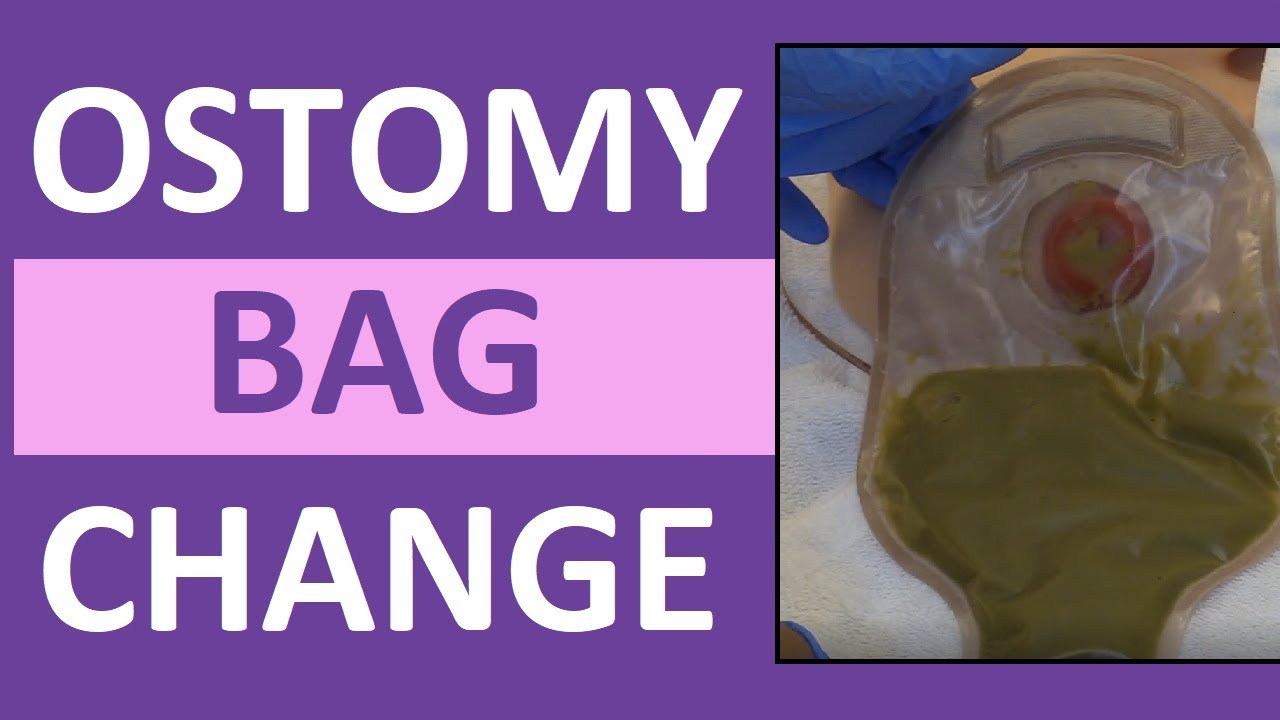
With an increase in persistent illnesses and surgical procedures bring about ostomies (a surgical opening), there is a growing need for experts trained especially in these areas. The rise in intestines cancer rates also underscores this need.
Components of the Complex Bowel Care Course
The complex bowel care course covers numerous crucial components that equip participants with essential abilities:
Anatomy and Physiology of the Digestive System- Understanding normal digestion processes. Identifying problems that may arise.
- Techniques to assess digestive tract function. Tools for reporting observations effectively.
- Practical methods for looking after stomas. Understanding various sorts of ostomies: what is a stoma? What is an ostomy?
- Dietary considerations. Medication management.
- Building rapport with patients. Effective interaction concerning delicate topics.
- Recognizing emergency situations connected to digestive tract health. Responding properly under pressure.
Overview of Stoma Care Training for Carers
Stoma care can occasionally really feel frustrating because of its specific nature; nonetheless, adequate training can make all the difference.

Types of Stomas
- Colostomy: A portion of the colon is rerouted with an opening in the abdomen. Ileostomy: The lower component of the tiny intestine is drawn out via an abdominal opening. Urostomy: A surgical procedure executed when pee circulation have to be rerouted from diseased kidneys or bladder.
Key Skills Discovered in Stoma Care Training
Proper cleaning techniques Changing ostomy bags Managing skin inflammation around stomas Understanding nutritional limitations post-surgeryChallenges in Complicated Bowel Care
Despite having effective training programs like those provided under NDIS, tests stay prevalent within the realm of complicated bowel care.
Emotional Impact on Patients
Patients handling digestive tract problems typically experience sensations of pity or embarrassment which can impede open interaction regarding their needs.
Accessibility Issues
Not all regions have equal access to specialized solutions or qualified instructors which may develop disparities in treatment quality throughout various geographical locations.
Benefits of NDIS Complex Bowel Care Training
Participating in this training provides numerous advantages not only to caregivers however also significantly impacts client results positively.
Increased Self-confidence Amongst Carers
Trained caretakers report really feeling much more positive when providing complex bowel care which straight translates right into better-quality client communications and outcomes.
Enhanced Collaboration Amongst Healthcare Professionals
Training cultivates a society where different specialists work collaboratively towards common goals-- boosting general health care delivery systems concentrated on private needs.
Real-Life Applications: Instance Studies
Understanding just how theory converts into practice can usually make clear the value behind training programs like these:
Case Research study 1: John's Trip Post-Colostomy Surgery
John went through a colostomy because of cancer cells treatment difficulties. His caretaker's complete expertise from participating in NDIS complex bowel care training permitted them both to navigate his recovery trip effectively-- causing less hospital brows through and enhanced lifestyle over time.
Case Research study 2: Sarah's Ostomy Education Program
Sarah was newly detected with ulcerative colitis leading her toward an ileostomy treatment that transformed her life permanently! Participating in sessions focused on stoma care gave her confidence while transitioning back right into everyday activities without concern or frustration coming from handling her problem incorrectly!
Frequently Asked Concerns (FAQs)
What is included in NDIS Complex Bowel Care Training?
It consists of comprehensive modules covering composition & & physiology, analysis techniques, stoma monitoring techniques to name a few appropriate subjects applicable directly towards improving patient-caregiver communications effectively!
Who can attend this training?
This program provides mostly towards support employees yet welcomes any person interested-- healthcare practitioners included!
How long does it take to complete?
The period varies depending upon particular courses chosen; typically lasting between someday up till several weeks based on deepness covered!
Is there continuous assistance after completing the course?
Yes! Lots of companies offer proceeded education and learning chances alongside mentorship programs post-completion making sure skill drink as needed!
Will I receive certification upon completion?
Absolutely! Individuals obtain certificates confirming their completed coursework thereby improving professional credibility!
How does this training improve person outcomes?
Educated caretakers furnished with robust understanding apply ideal techniques consistently promoting healthier living atmospheres supporting optimum healing experiences long-term!
Conclusion
In verdict, spending time right into programs such as NDIS Complex Bowel Care Training offers not simply specific growth however eventually improves overall area health requirements too! By bridging significant understanding voids within health care worrying intricacies bordering bowel administration-- the ripple effects positively influence numerous lives each year ensuring every person obtains compassionate enlightened Visit this site assistance throughout tough times! Let us focus on awareness today so we might form brighter futures tomorrow where everyone really feels valued recognized regardless if they use an ostomy pouch beneath their clothing-- it's just one facet among several defining who they really are!
This post targets at increasing recognition pertaining to crucial instructional resources readily available improving abilities bordering intricate bodily functions ensuring every participant comprehends these required tools aiding future undertakings taking on diverse obstacles faced along life's unpredictable path ahead!